Minimally Invasive Spine surgery
Advanced Care With Less Disruption
Precision-Focused Minimally Invasive Spine Surgery in San Antonio
When spine surgery is the right next step, the approach matters. Dr. Gautham Prabhakar uses advanced minimally invasive techniques designed to reduce disruption to surrounding muscles and tissue while precisely addressing the source of a patient’s symptoms. From endoscopic and robotic spine surgery to artificial disc replacement, each treatment plan is personalized around the patient’s condition, goals, and lifestyle, with a focus on supporting a smoother recovery.
What Is Minimally Invasive Spine Surgery?
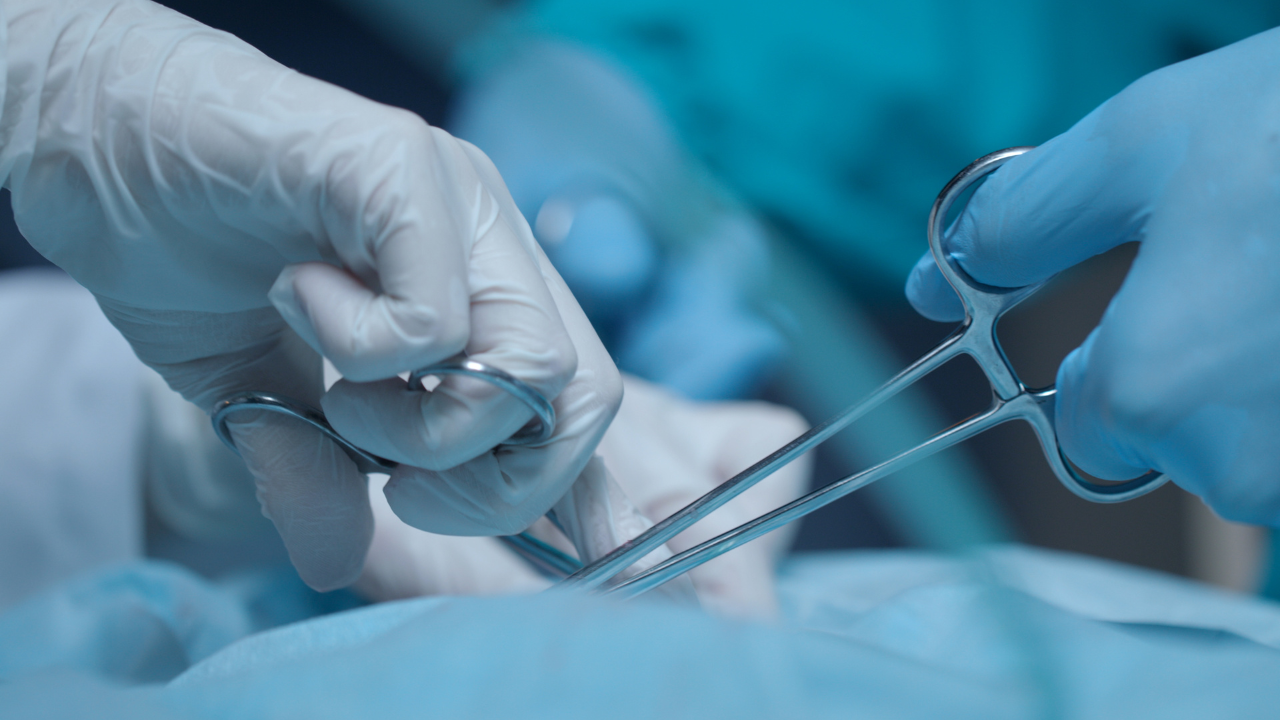
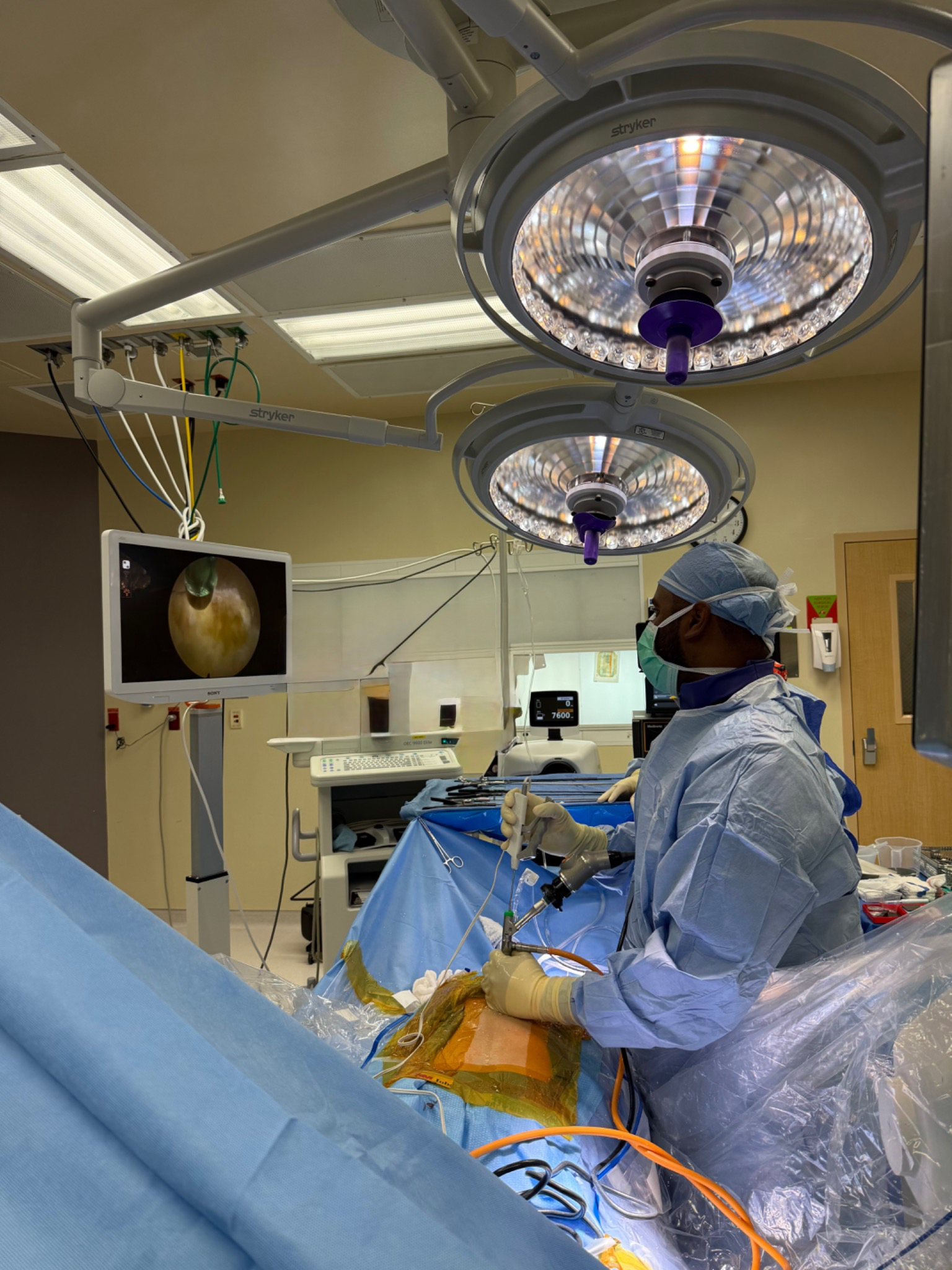
Minimally invasive spine surgery allows the surgeon to treat certain spinal conditions through smaller incisions while limiting disruption to the muscles and soft tissues surrounding the spine.
Specialized instruments, advanced imaging, and, in select procedures, robotic guidance can be used to help plan and navigate surgery with greater precision. Robotic technology does not perform the surgery itself; instead, it assists the surgeon with planning and placement of instrumentation when appropriate.
By reducing unnecessary tissue disruption and using advanced surgical technology, minimally invasive techniques may support less postoperative pain, smaller scars, and a faster return to normal activity for appropriately selected patients. The goal remains the same: address the source of symptoms while using the least disruptive approach appropriate for the patient.

Minimally Invasive vs. Traditional Open Spine Surgery
Not every spine condition is best treated with a minimally invasive approach. Understanding the differences, potential benefits, and limitations of minimally invasive and traditional open surgery can help patients make a more informed decision about the treatment that best fits their needs.
-
Minimally Invasive
Incision: One or more incisions typically under an inch
Muscle: Muscle is separated and retracted, not detached
Precision: Advanced imaging and robotic guidance may assist with surgical planning and instrumentation
Blood Loss: Generally lower
Hospital Stay: Often same day or a single night
Scarring: Smaller, less visible
Best Suited For: Focal, well localized problems such as a herniated disc, stenosis at one or two levels, or a single level fusion
-
Traditional Open
Incision: A single longer incision along the spine
Muscle: Muscle is cut and pulled away from the bone
Surgical Guidance: Traditional visualization and imaging, with advanced navigation or robotic assistance available in select procedures.
Blood Loss: Generally higher
Hospital Stay: Frequently multiple nights
Scarring: More prominent
Best Suited For: Complex deformity, multi level reconstruction, revision surgery, or cases needing wide direct visualization
Conditions Treated With Minimally Invasive Techniques
Minimally invasive methods are most effective when the source of pain is well identified and localized. Dr. Prabhakar treats conditions throughout the cervical, thoracic, and lumbar spine.
Herniated Disc: A damaged or bulging disc can press on a nerve root, causing pain, numbness, or weakness in the arm or leg.
Spinal Stenosis: Narrowing around the spinal cord or nerves can cause pain, numbness, weakness, or difficulty walking.
Sciatica: Compression or irritation of a nerve in the lower back can cause pain that travels into the buttock or leg.
Degenerative Disc Disease: Wear and tear of the spinal discs can contribute to ongoing back or neck pain.
Spondylolisthesis: One vertebra slips forward over another, which can lead to pain, instability, or nerve compression.
Vertebral Compression Fractures: A weakened vertebra can collapse or fracture, often due to osteoporosis.
Facet Joint Syndrome: Arthritis or degeneration in the small joints of the spine can cause localized back or neck pain.
Recurrent Disc Herniation: A disc can herniate again after a previous procedure, leading to renewed nerve-related symptoms.
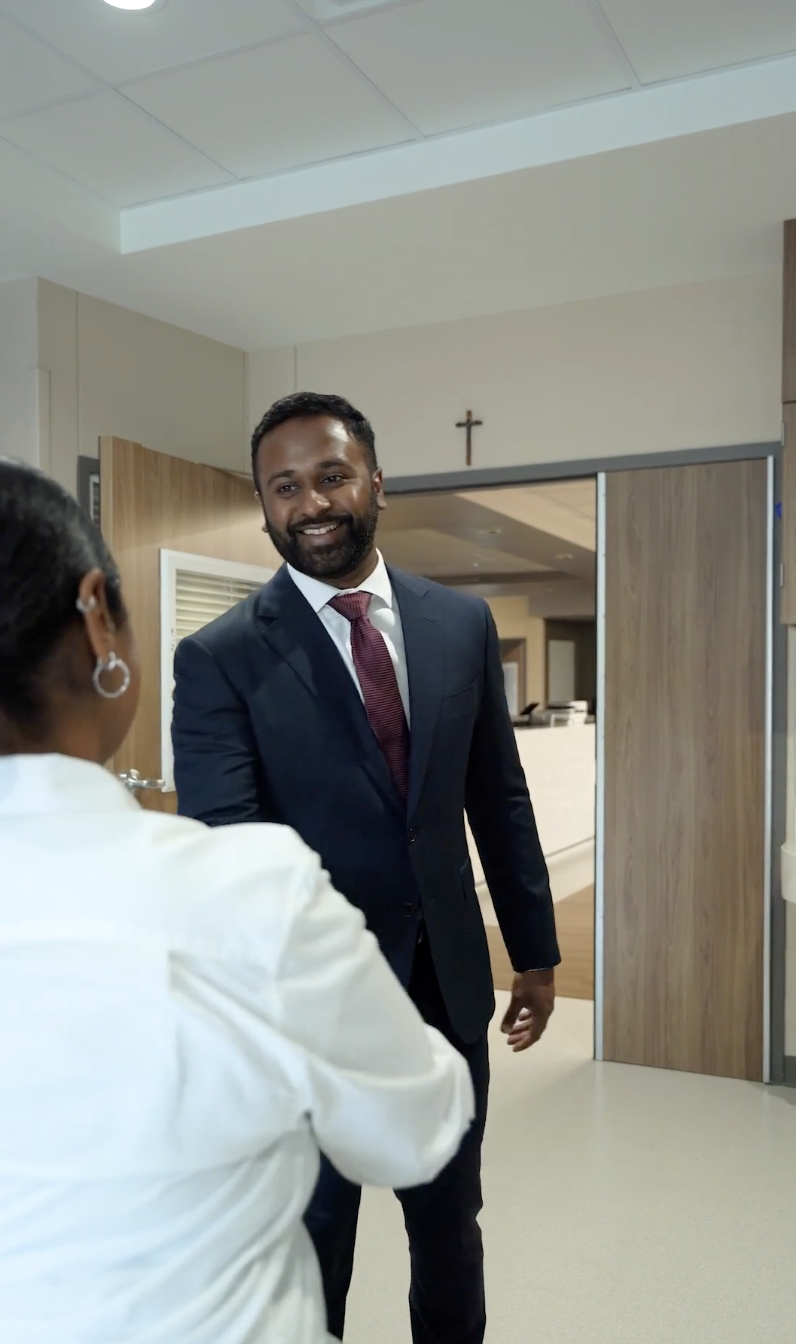

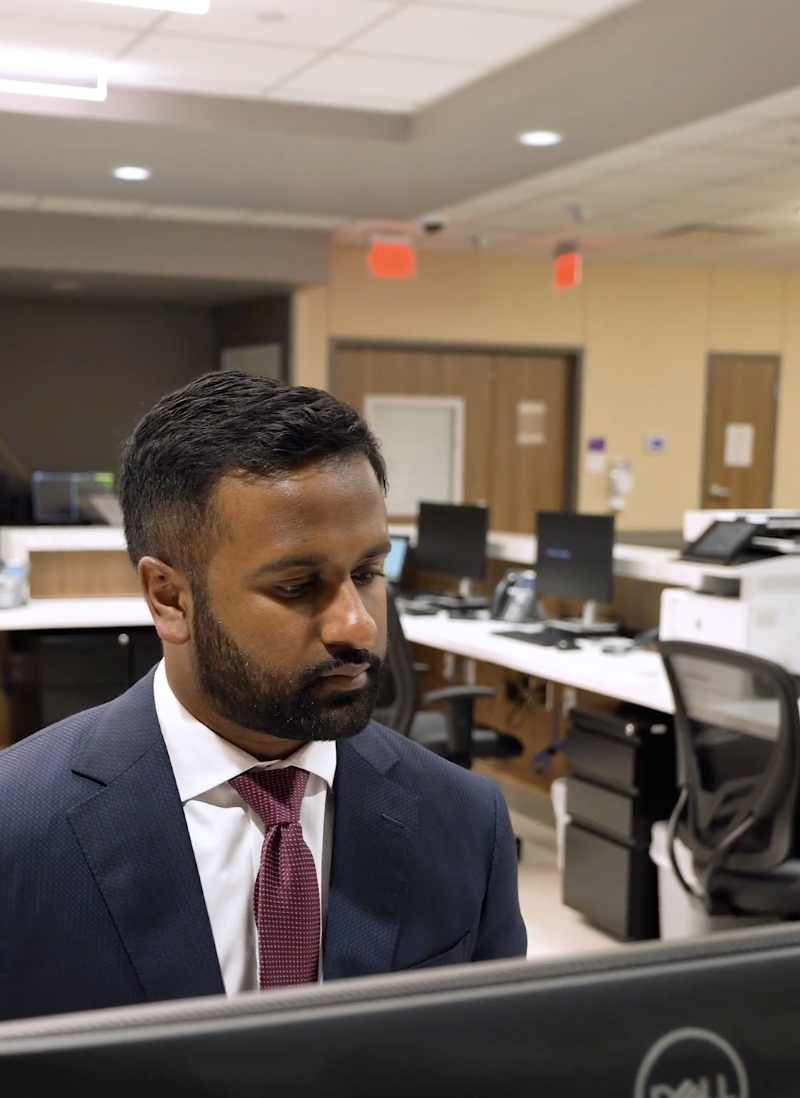
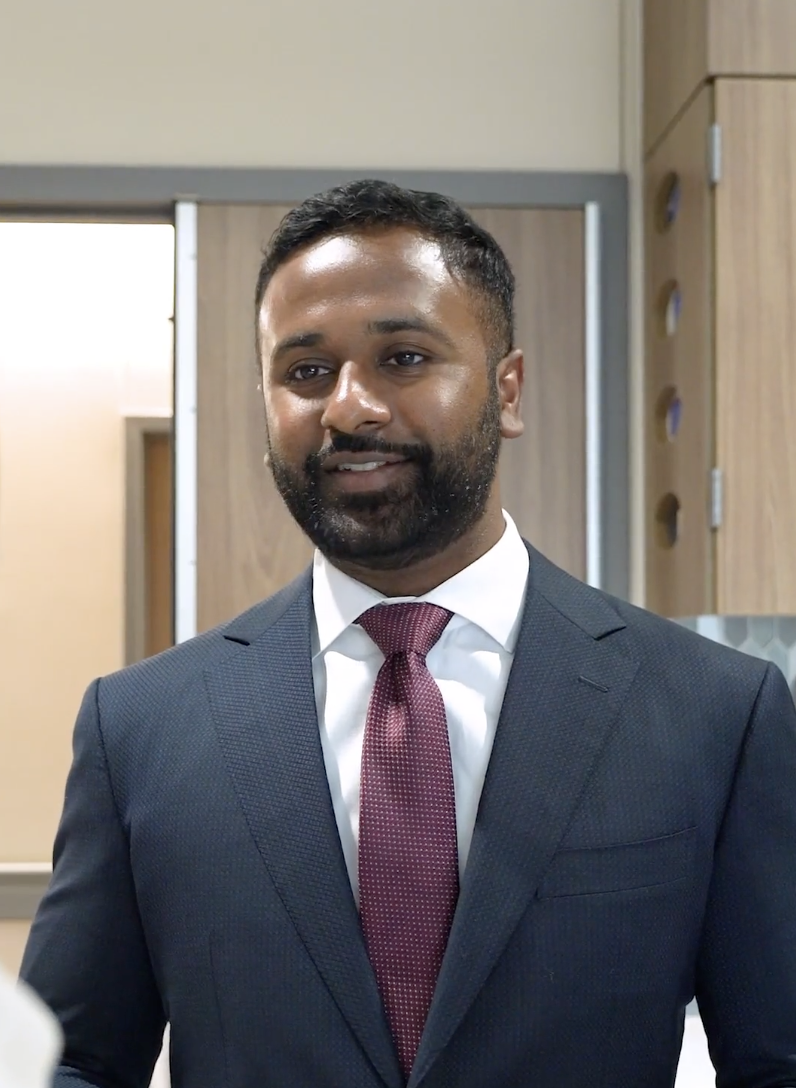


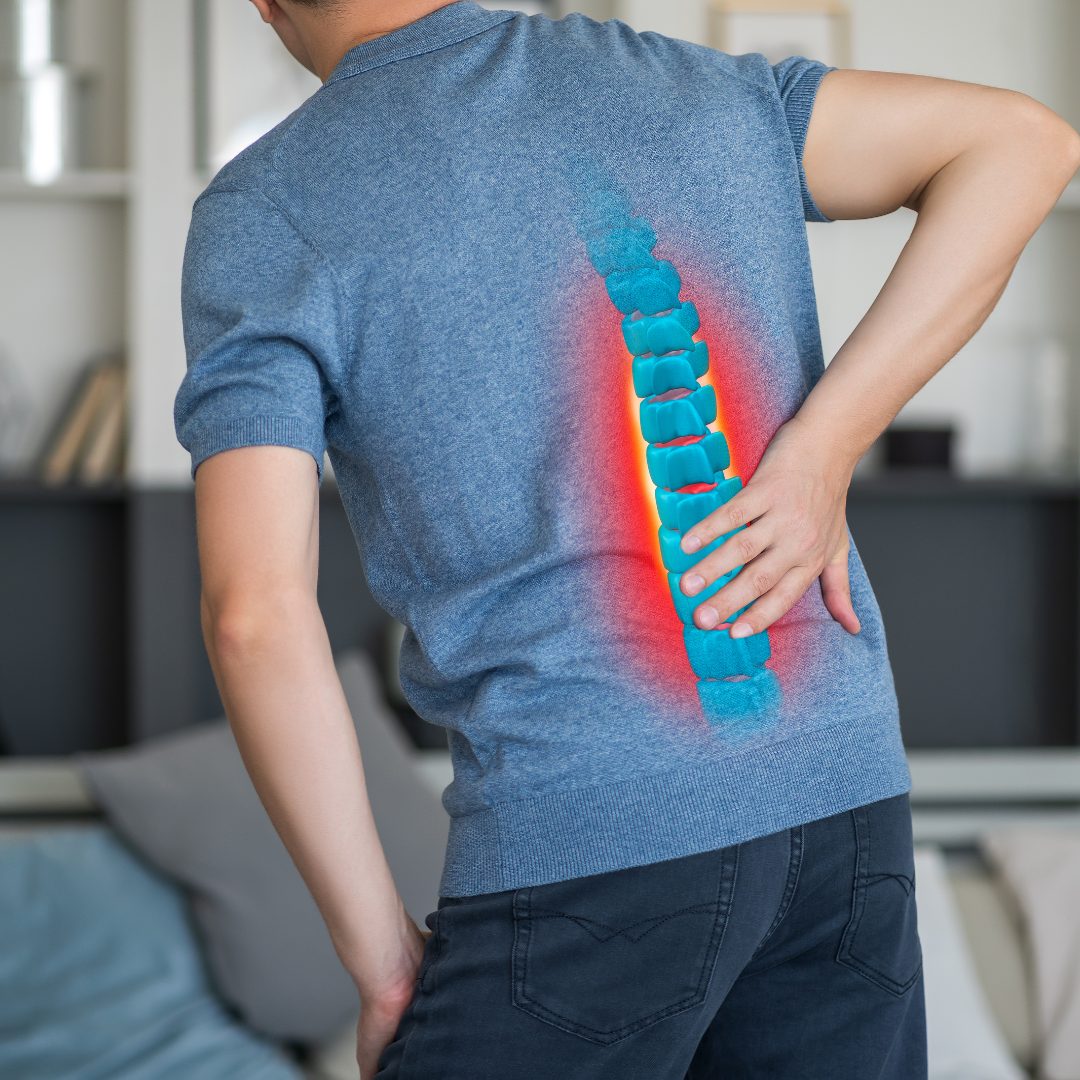
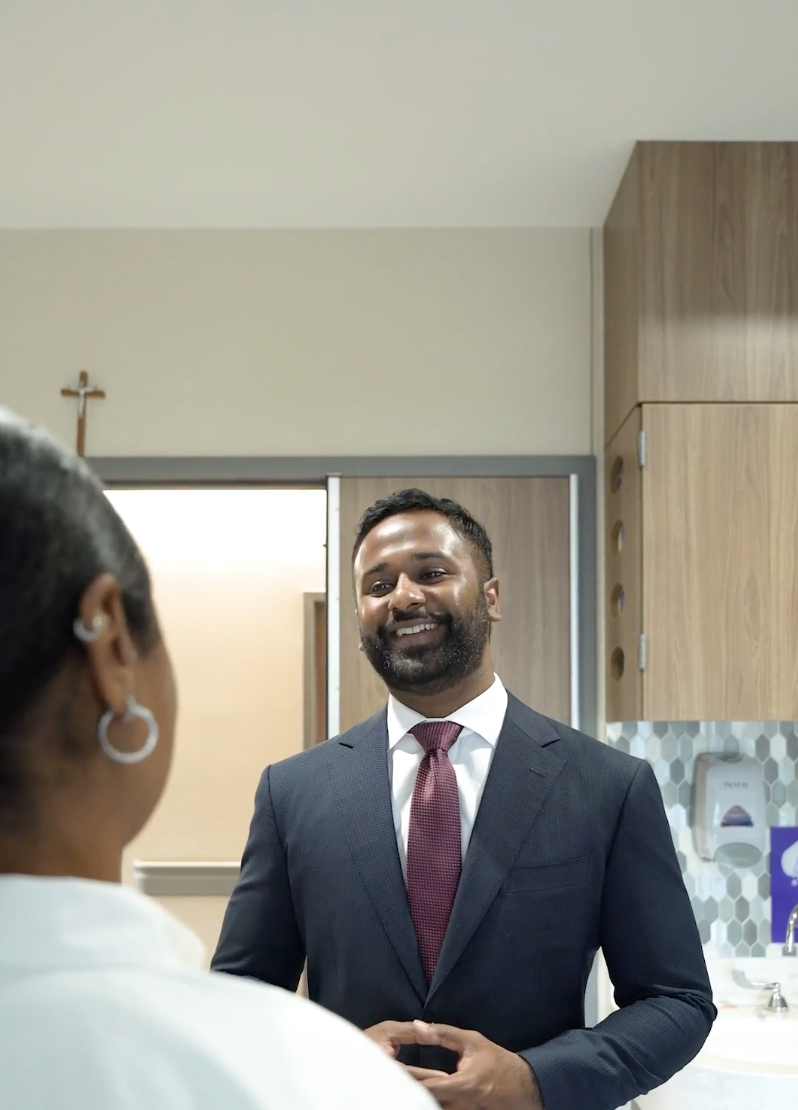

Understanding Herniated Discs
Dr. Prabhakar explains what happens when a spinal disc herniates, the symptoms it can cause, and how treatment options may vary depending on the location and severity of the problem.
Benefits of a Minimally Invasive Approach
Minimally invasive spine surgery is designed to reduce disruption to surrounding tissue while supporting less postoperative pain, a smoother recovery, and a faster return to everyday activities.
-
Less muscle disruption
Because the paraspinal muscles are separated rather than cut away from the bone, there is typically less post operative pain from the approach itself.
-
Shorter hospital stays
Many minimally invasive procedures are performed on an outpatient basis or with a single overnight stay, allowing recovery to continue at home.
-
Lower infection risk
Smaller incisions and less tissue exposure may lower the risk of wound complications and infection while helping support a smoother, more comfortable recovery.
-
Reduced blood loss
Working through a narrow corridor limits bleeding, which can be particularly meaningful for older patients and those with other health conditions.
-
Faster return to activity
Patients often walk the same day and return to daily routines sooner after mininmally invasive surgery, though the timeline depends on the procedure and on the individual.
-
REDUCED PAIN MEDICATION
Reduced surgical trauma often means patients can manage postoperative discomfort with a shorter course and lower dose of pain medication.
Surgery Is the Last Step, Not the First
A minimally invasive procedure is still surgery, and Dr. Prabhakar treats many patients without surgery whenever possible.
Before surgery is considered, conservative options such as physical therapy, activity modification, anti-inflammatory care, and targeted injections are typically explored. Surgery may be recommended when symptoms continue to interfere with daily life or when imaging shows nerve compression that requires treatment.
Patients may be candidates for a minimally invasive approach when symptoms match a specific finding on imaging, the problem is limited to one or two levels, and overall health supports surgery.

Recovery After Minimally Invasive Spine Surgery
Recovery looks different for every patient and depends on the procedure performed, the condition being treated, and individual healing. The timeline below outlines a typical recovery after a single-level minimally invasive decompression and is intended as a general guide rather than a guaranteed outcome.
-
Day of Surgery
Most patients are encouraged to stand and walk within hours. Many go home the same day.
-
Week 1 to 2
Short, frequent walks. Lifting, bending, and twisting are limited while the incision heals.
-
Week 2 to 6
Follow-up visit, increased activity, and physical therapy as needed. Many patients return to desk work.
-
Month 3 and Beyond
Return to more demanding work and exercise as cleared. Fusion recovery may take longer.
Frequently Asked Questions about minimally invasive spine surgery
-
For the conditions it is suited to, yes. The procedure performed inside the spine, such as removing a disc fragment or decompressing a nerve, is comparable. The difference is the route taken to get there. The important qualifier is case selection: complex deformity, multi level reconstruction, and certain revision cases are still better served by an open approach, and Dr. Prabhakar will tell you plainly if that is your situation.
-
Most single level minimally invasive procedures take roughly one to two hours. Fusions and multi level procedures take longer. You will receive a specific estimate during your pre operative visit.
-
Many minimally invasive decompressions and microdiscectomies are performed as outpatient procedures, meaning you go home the same day. Fusions and patients with other medical conditions more often stay one night. Your plan is confirmed in advance so you can arrange transportation and support at home.
-
Nerve related pain such as sciatica often improves noticeably very soon after decompression. Incision and muscle soreness is typical for the first one to two weeks and is managed with a combination of medication, walking, and rest. Most patients need far less pain medication than they anticipate.
-
Driving usually resumes once you are off narcotic pain medication and can move comfortably, often within one to two weeks. Desk based work commonly restarts in two to four weeks after a decompression. Physically demanding work and fusion recoveries require longer, and clearance is given individually.
-
These procedures are generally covered by major insurance plans, including Medicare, when medically indicated. Most carriers require documentation that conservative treatment was attempted first. Our team verifies your benefits and handles prior authorization before scheduling.
-
Often, yes. Recurrent disc herniation and adjacent segment problems can frequently be addressed with minimally invasive techniques. Prior surgery does add scar tissue and complexity, so a careful review of your previous operative reports and current imaging comes first.
-
That is the purpose of the consultation. Dr. Prabhakar reviews your history, examination, and imaging, then explains what he sees and what the realistic options are, including the option of continuing without surgery. Most patients who come through the door are treated non surgically.

Ready to talk with Dr. Prabhakar?
Start with a conversation about your symptoms, goals, and the treatment options that may be right for you.