
CONSERVATIVE SPINE TREATMENT
RELIEF WITHOUT SURGERY
Personalized Conservative Spine Care in San Antonio
For many patients with back pain, neck pain, or nerve-related symptoms, surgery is not the first step. Dr. Gautham Prabhakar takes a personalized approach to conservative spine care, using options such as physical therapy, medications, activity modification, and targeted injections when appropriate. The goal is to reduce pain, improve function, and help patients return to daily activities with the least invasive treatment necessary.
What Is CONSERVATIVE SPINE TREATMENT?
Conservative spine treatment focuses on relieving pain, improving function, and managing spine conditions without surgery whenever appropriate. Dr. Prabhakar begins by identifying the cause of your symptoms and developing a treatment plan based on your diagnosis, activity level, and individual goals.
Treatment may include physical therapy, activity modification, medications, targeted injections, home exercises, and other non-surgical approaches. These treatments are designed to reduce symptoms while improving strength, mobility, and everyday movement.
Many neck and back conditions can be managed successfully with conservative care. Dr. Prabhakar monitors your progress and adjusts treatment as needed. If symptoms continue despite appropriate treatment, additional options, including surgery when necessary, can be considered.
Conservative Treatment Options Dr. Prabhakar Performs
Conservative spine care may involve a combination of treatments depending on the source of your symptoms, overall health, and activity goals. Dr. Prabhakar develops a personalized plan designed to reduce pain, improve function, and help you return to the activities that matter most.
-
Physical Therapy
Improve strength, mobility, and movement patterns. A targeted program can strengthen the muscles that support the spine and improve mechanics that may be contributing to pain.
-
Medication Management
Help reduce pain and inflammation when appropriate. Medication may be used to control symptoms, improve comfort, and support your overall recovery plan.
-
Activity Modification
Adjust movements or activities that aggravate symptoms. The goal is to identify triggers, reduce unnecessary strain, and keep you moving safely while the underlying condition improves.
-
Spinal Injections
Target inflammation and pain around irritated nerves. Depending on the diagnosis, injections may also help identify the specific area causing symptoms.
-
Home Exercise
Maintain mobility and strengthen supporting muscles with a personalized home program designed to support progress between visits and over time.
-
Lifestyle Guidance
Address posture, movement, weight, and daily habits that may affect spine health. Small changes can help reduce strain and support long-term comfort.
CONDITIONS THAT MAY BE MANAGED WITH CONSERVATIVE CARE
Many common spine conditions can often be treated without surgery, especially when symptoms are mild to moderate and there is no progressive neurologic deficit.
Herniated Disc: Symptoms may improve as inflammation settles and the disc fragment changes over time.
Sciatica: Nerve irritation without progressive weakness may respond well to non-surgical treatment.
Degenerative Disc Disease: Age-related wear can often be managed with activity changes, therapy, and symptom control.
Facet Joint Syndrome: Arthritic or irritated facet joints may respond to therapy, medications, or targeted injections.
Mild to Moderate Spinal Stenosis: Conservative care may help manage symptoms when nerve compression is not severe.
Muscle Strain and Mechanical Pain: Back or neck pain related to muscles, joints, or movement often improves without surgery.
Stable Spondylolisthesis: When the condition is not progressing, symptoms may be managed conservatively.
Stable Compression Fractures: Some fractures can heal with bracing, activity modification, and close follow-up.
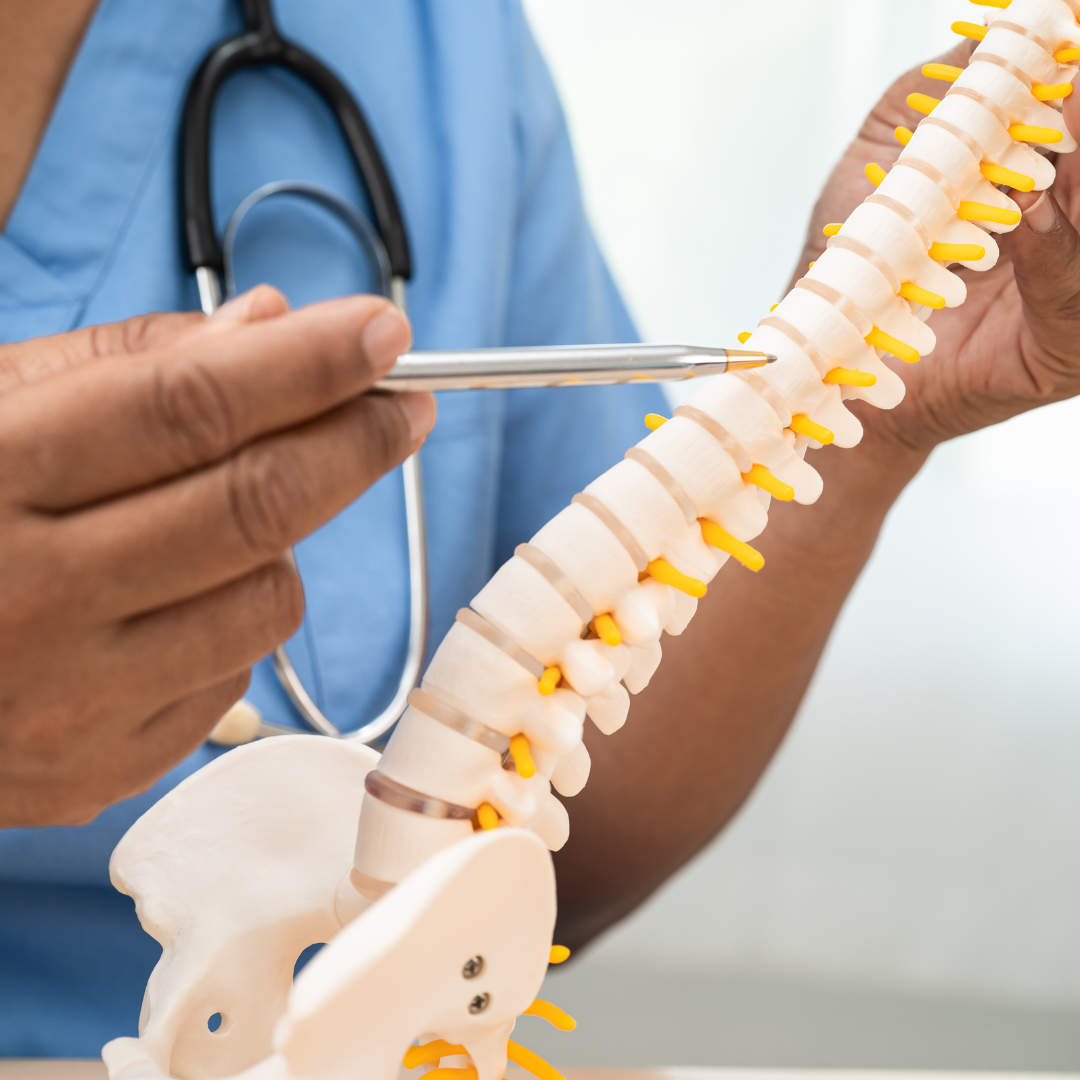

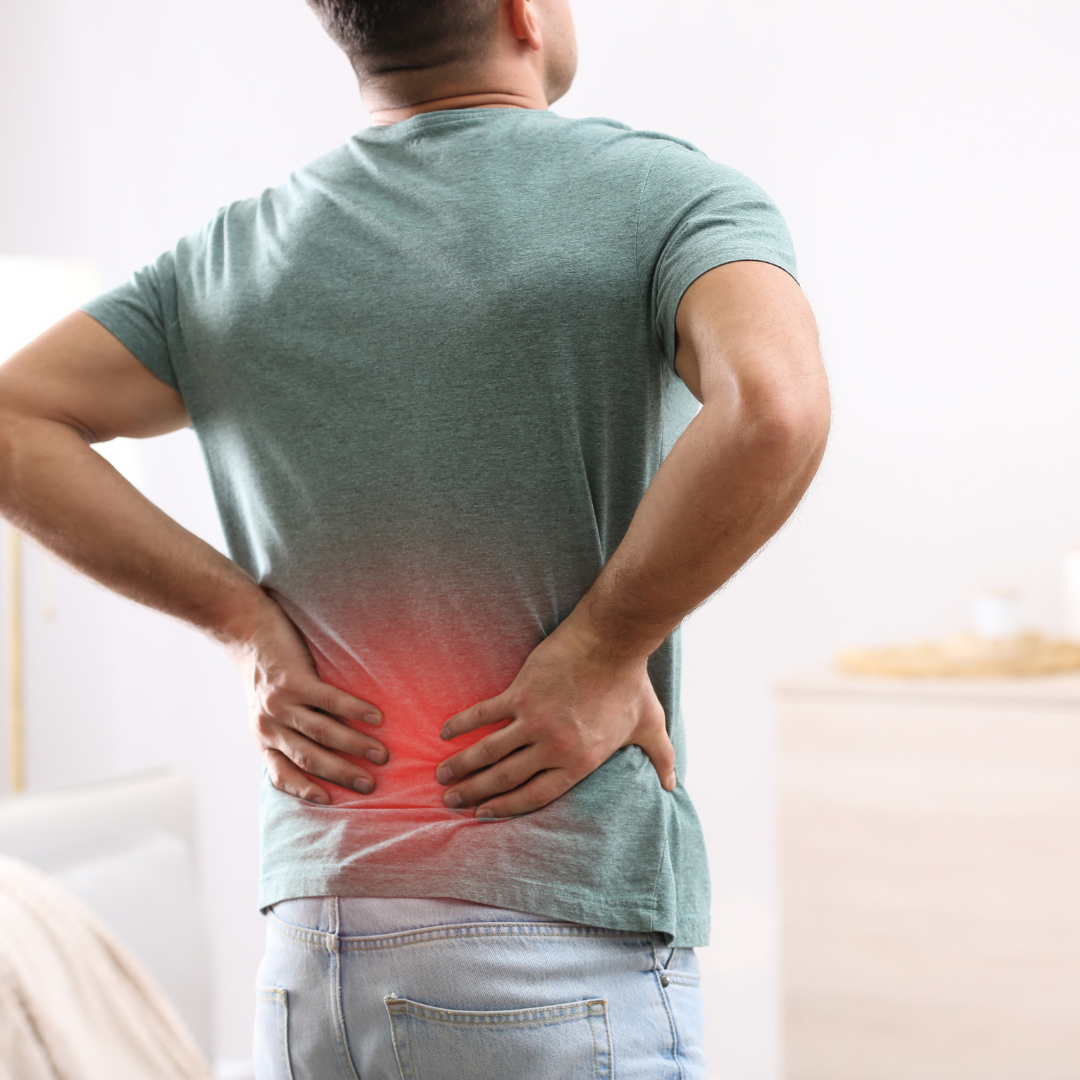


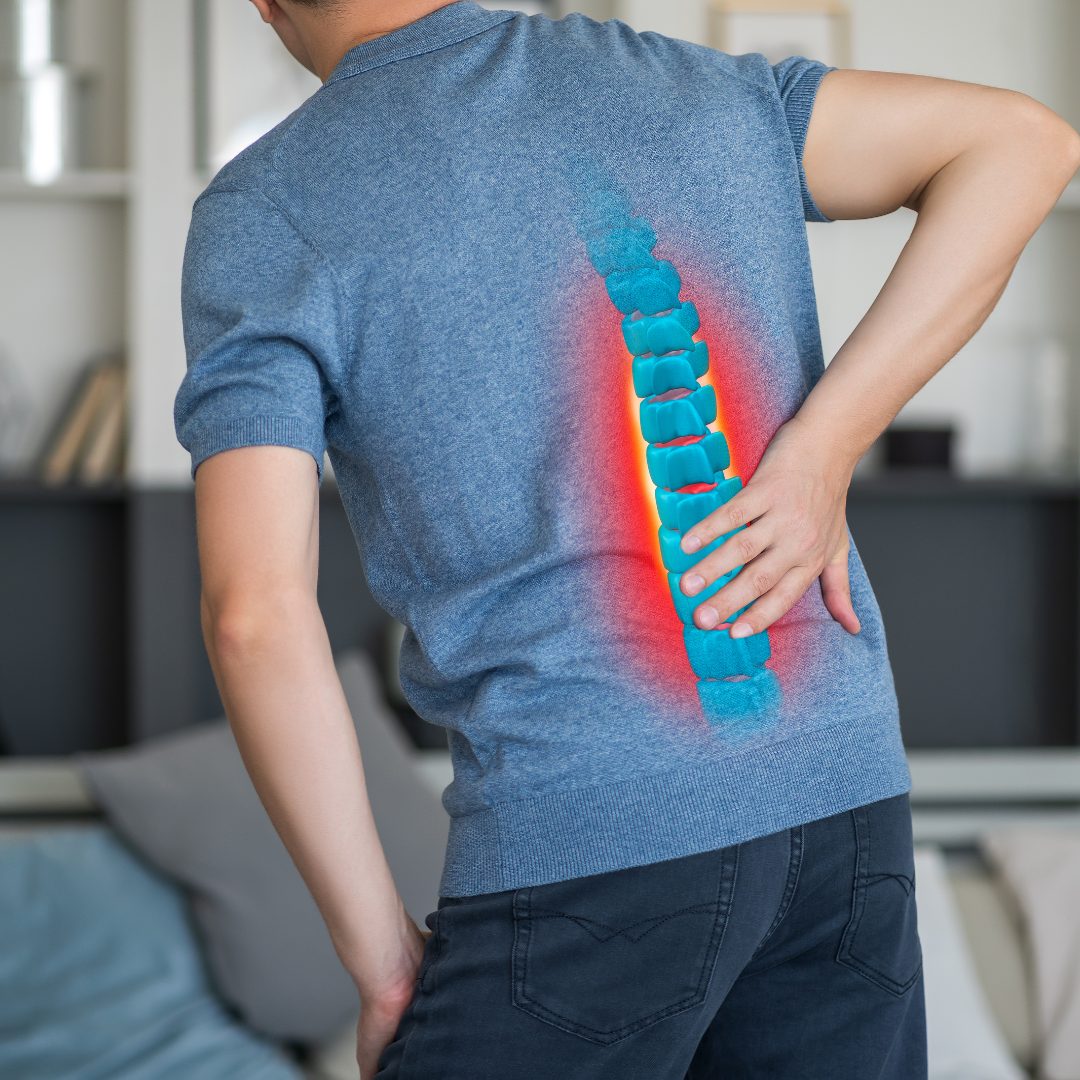

A Treatment Plan Built Around You
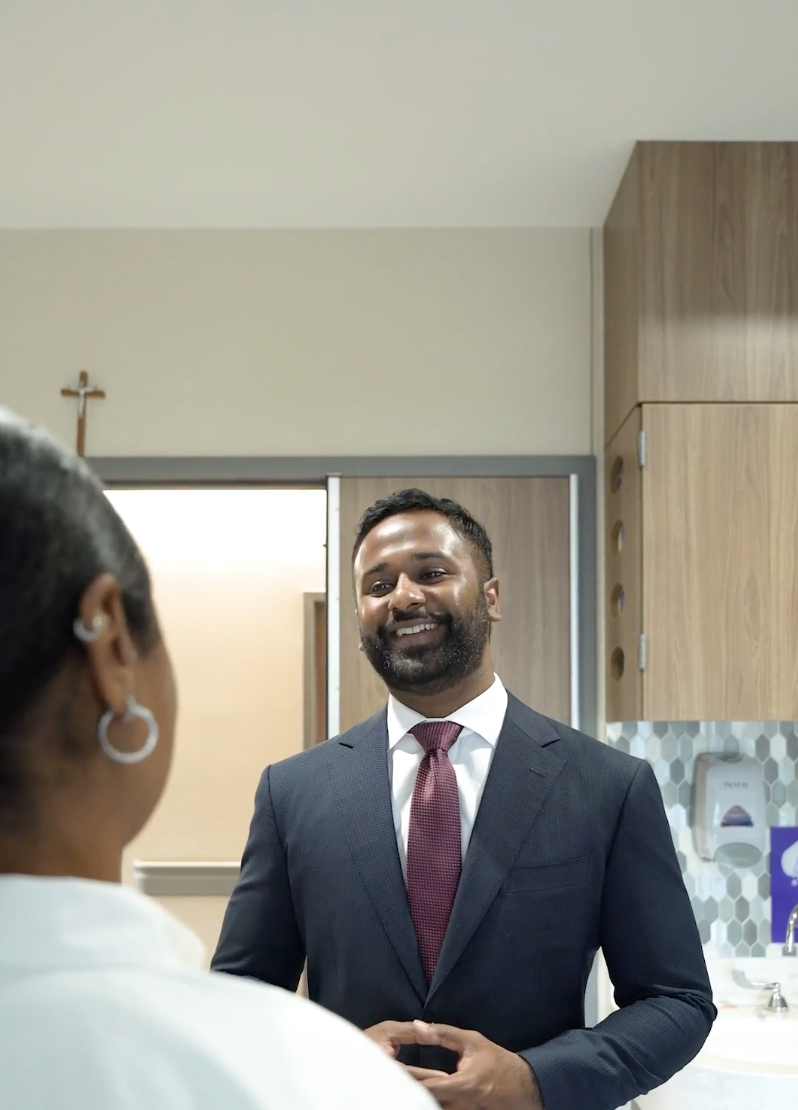
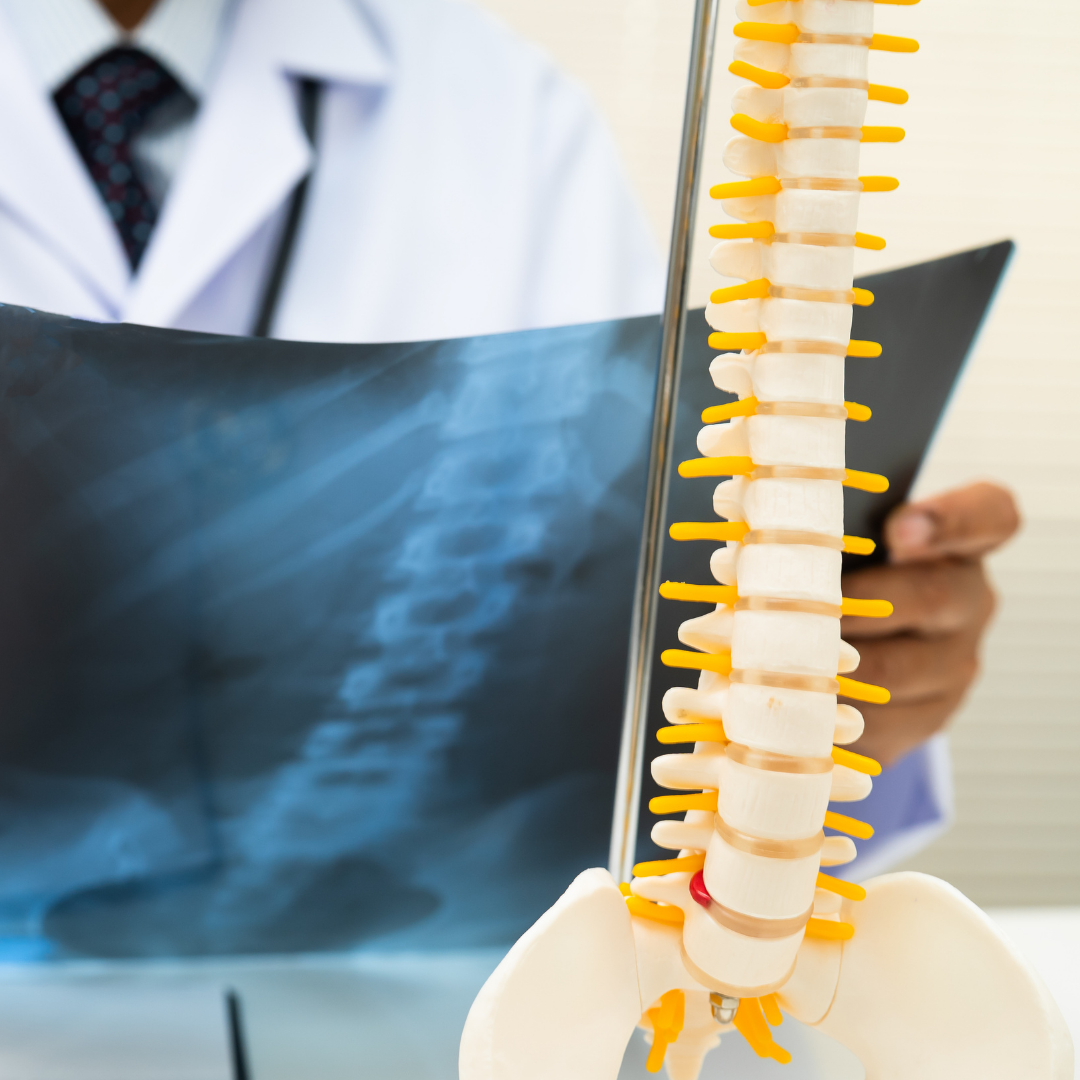
Conservative care is not simply waiting it out. Dr. Prabhakar evaluates the source of your symptoms and develops a treatment plan based on your diagnosis, your activity level, and what you are trying to get back to.
-
Step One: Evaluation & Assessment
Your visit starts with a conversation about your symptoms, how they affect daily life, and what may be contributing to them. Dr. Prabhakar also reviews your exam and any available imaging to better understand the source of your pain.
-
Step Two: Personalized Treatment Plan
A treatment plan is built around your diagnosis, symptoms, activity level, and goals. The focus is on choosing the conservative options that make the most sense for you and setting clear expectations for progress.
-
Step Three: Progress & Reassessment
Your progress is monitored over time to see how you are responding to treatment. If symptoms improve, the plan can continue. If they do not, Dr. Prabhakar can adjust the approach and discuss next steps.
WHEN IS CONSERVATIVE SPINE TREATMENT AN OPTION?
Conservative spine treatment may be appropriate for patients whose symptoms can be managed without surgery. Dr. Prabhakar considers your diagnosis, symptom severity, imaging findings, activity level, and how your condition affects daily life before recommending a treatment plan.
Conservative care may be considered if you have:
Neck or lower back pain
A herniated or bulging disc
Sciatica or radiating nerve pain
Mild to moderate spinal stenosis
Degenerative disc or joint changes
Symptoms that do not require urgent surgical treatment
The goal is to reduce pain, improve movement, and help you return to normal activity while monitoring your progress over time.

Frequently Asked Questions about Conservative Spine Treatment
-
Because the goal is to resolve your symptoms, not to operate. A surgeon who evaluates the full range of options, including the option of no procedure at all, is giving you a more complete assessment than one who only considers what can be done in an operating room. Dr. Prabhakar treats the majority of his patients non-surgically.
-
Often, yes. The body gradually reabsorbs herniated disc material over weeks to months, and inflammation around the nerve settles. Many patients whose pain is severe at first improve substantially with conservative treatment alone. This is a large part of why a fair trial of non-surgical care comes before surgery for most disc herniations.
-
There is no single rule, but steroid injections are generally limited to a few per year at a given site, because repeated steroid exposure carries its own risks. Injections are most useful when they serve a clear purpose, whether that is calming a flare enough to participate in therapy or confirming a diagnosis. Repeating them indefinitely without a plan is not the goal.
-
For most spine conditions, a reasonable trial of conservative care does not compromise a later surgical result. The important exception is progressive neurological symptoms such as increasing weakness or numbness, where waiting can risk permanent nerve damage. Part of the evaluation is determining which category you are in, and you will be told plainly if waiting is not appropriate.
-
It is worth examining what the program actually involved. Therapy that was too brief, not specific to your diagnosis, or stopped early because of pain is different from a properly structured program completed in full. Sometimes the answer is a different therapy approach; sometimes it does confirm that conservative care has run its course.
-
A conversation about your symptoms and how they affect your daily life, a physical examination, and a review of any imaging you have. You leave with an explanation of what is likely causing the problem and a specific plan, which for most patients is a non-surgical one.
-
The timeline depends on your diagnosis, symptoms, and how you respond to treatment. Dr. Prabhakar monitors your progress and may discuss other options if symptoms continue despite an appropriate course of care.
-
Depending on your condition, minimally invasive, endoscopic, artificial disc replacement, or other surgical approaches may be considered. Dr. Prabhakar will discuss which options are appropriate for your specific diagnosis.

Ready to Explore Conservative Spine Care?
Talk with Dr. Prabhakar about your symptoms, lifestyle, and treatment goals to see whether a non-surgical approach may help you find relief and improve function.