
Artificial Disc Replacement
Designed to Preserve Natural Movement
Motion-Preserving Artificial Disc Replacement in San Antonio
For select patients with a damaged or herniated spinal disc, artificial disc replacement can relieve pressure on the nerves while preserving movement at the treated level. Dr. Gautham Prabhakar carefully evaluates each patient’s condition, symptoms, and goals to determine whether disc replacement may be an appropriate alternative to spinal fusion. The goal is to address the source of pain while maintaining natural spinal motion and supporting a more comfortable return to activity.
What Is Artificial Disc Replacement?
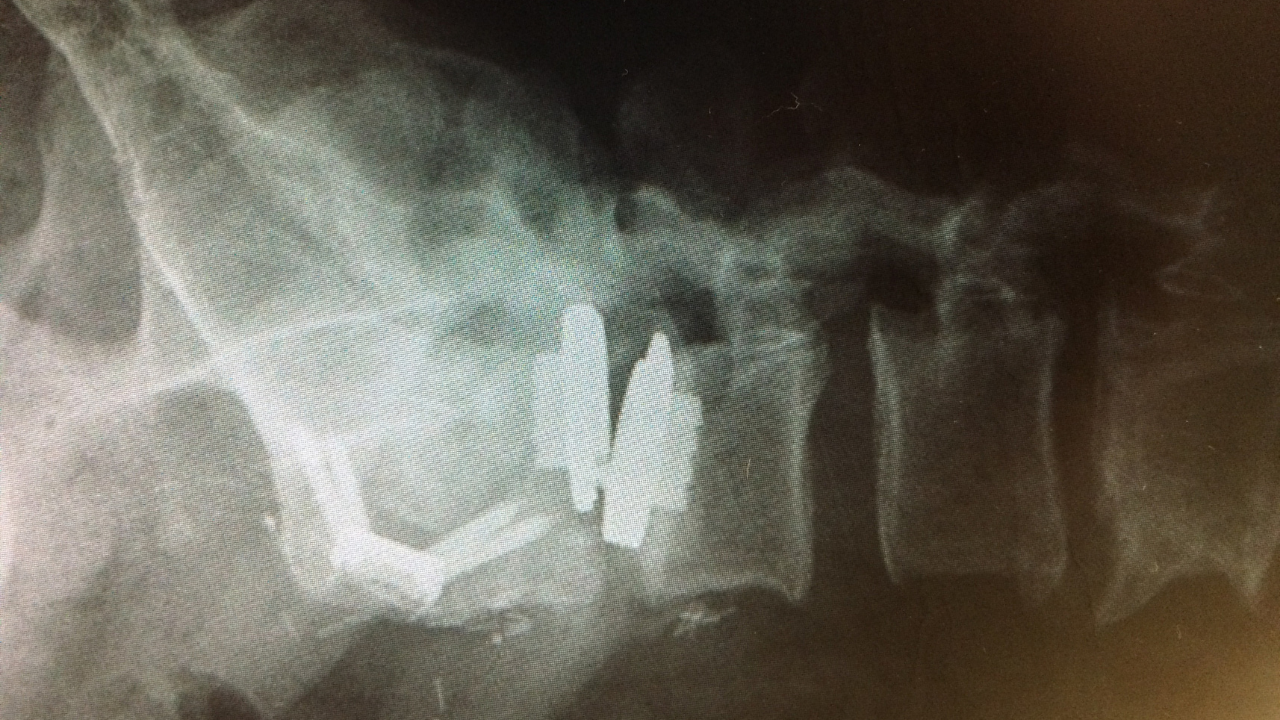
Artificial disc replacement, also called total disc arthroplasty, removes a damaged or herniated spinal disc and replaces it with an engineered implant designed to preserve movement at that level of the spine.
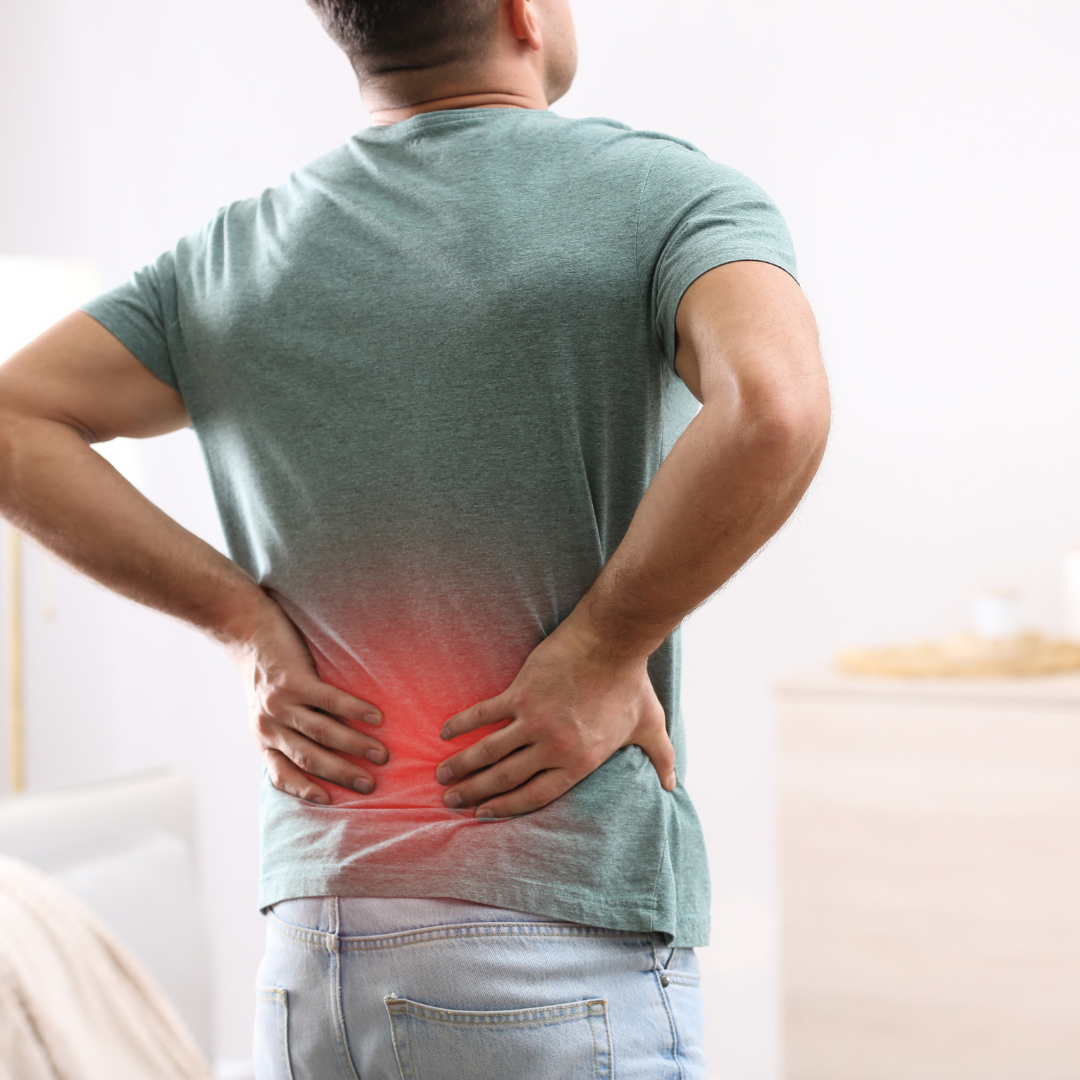
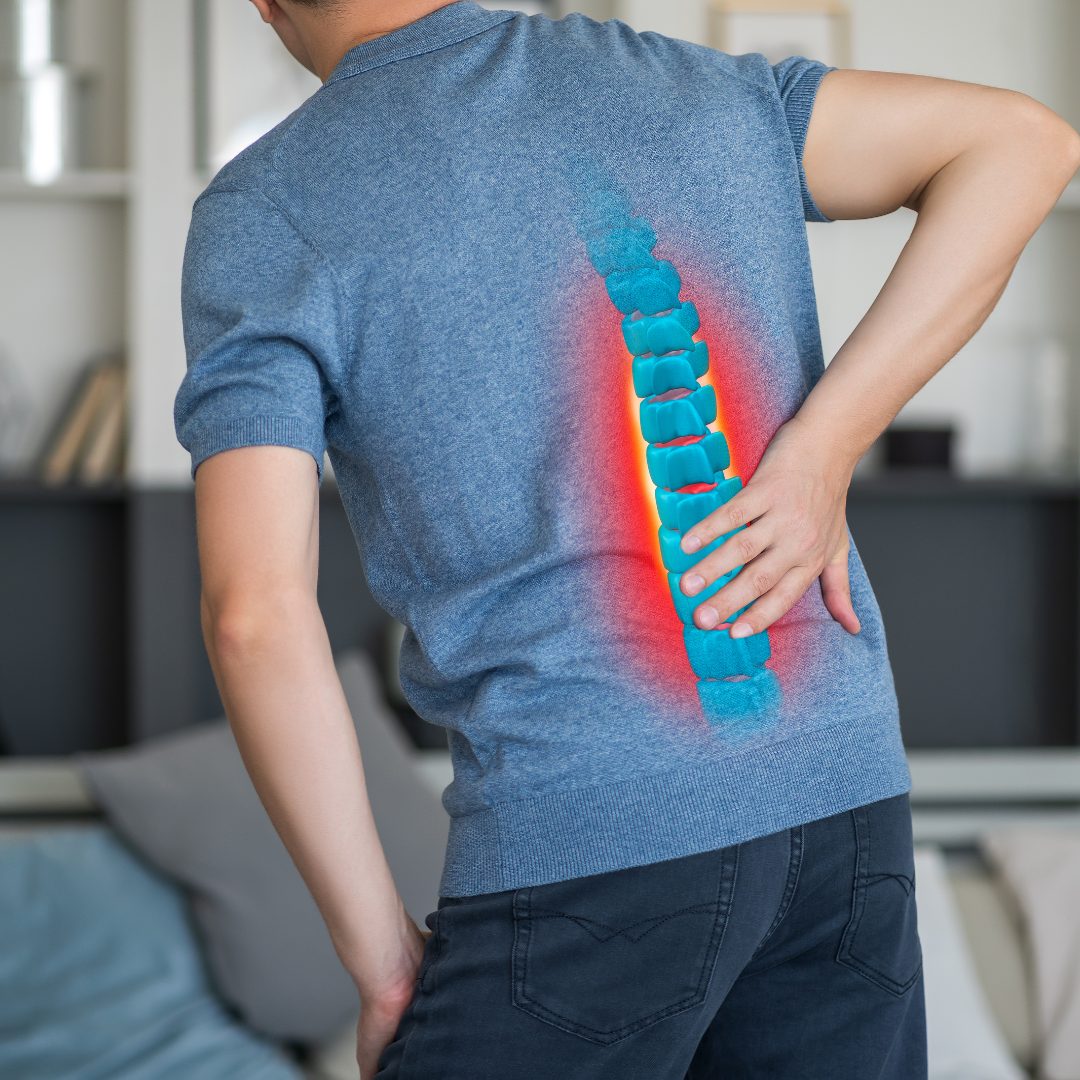
The disc sits between two vertebrae and serves two important functions: absorbing load and allowing the spine to bend and rotate. When a disc degenerates or herniates, it can irritate or compress nearby nerves and lead to persistent pain, numbness, or weakness.
Traditional spinal fusion treats the affected level by joining the two vertebrae together, which eliminates motion at that segment. Artificial disc replacement offers a different approach by replacing the damaged disc while allowing the treated level to continue moving.
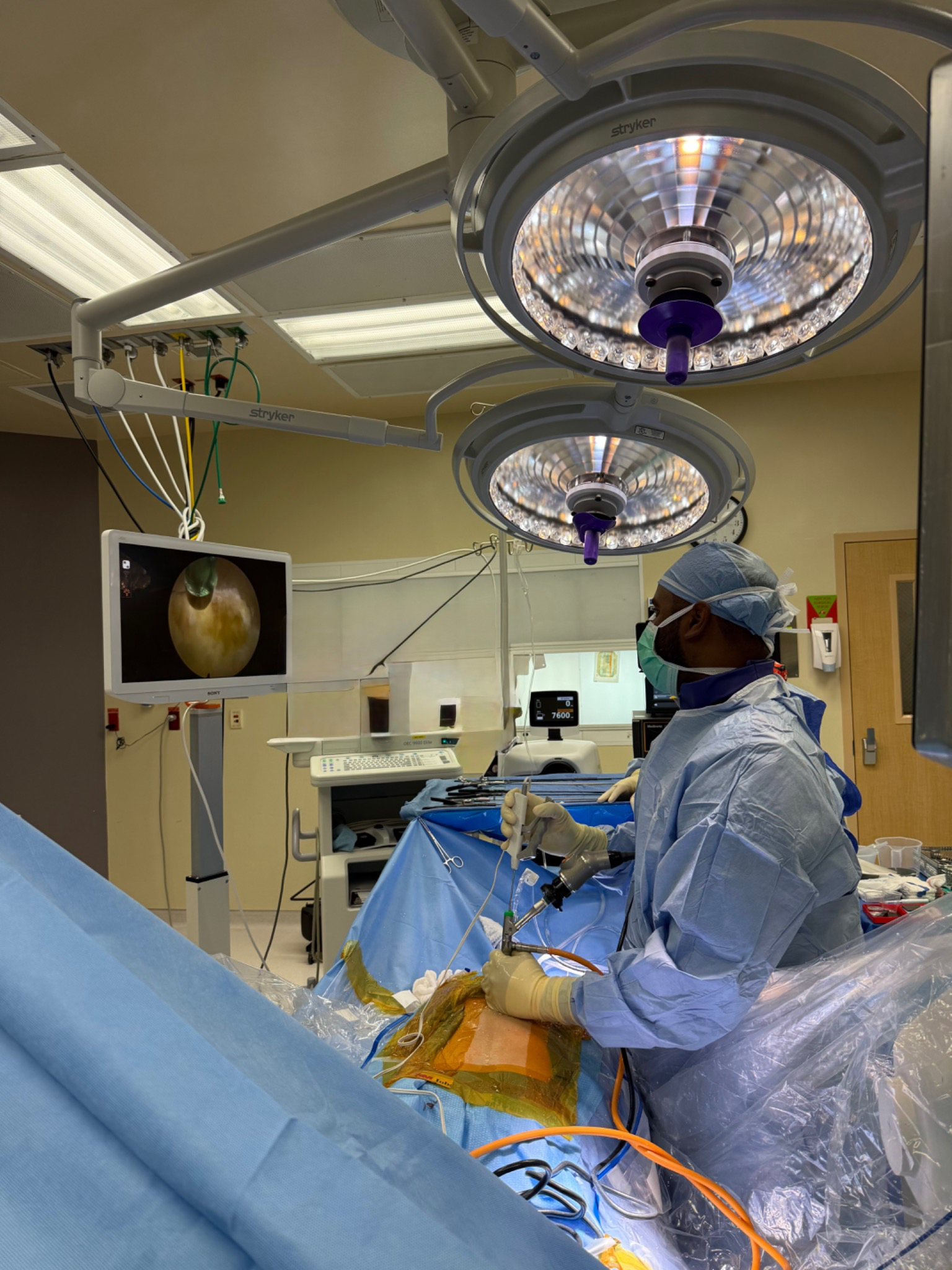
The implant is made from medical-grade materials, commonly metal alloys with or without a polymer component. It is typically placed through an approach from the front of the body, avoiding disruption of the muscles along the back of the spine. Once recovery is complete, the goal is for the implant to function naturally as part of the spine.
Cervical and Lumbar Disc Replacement
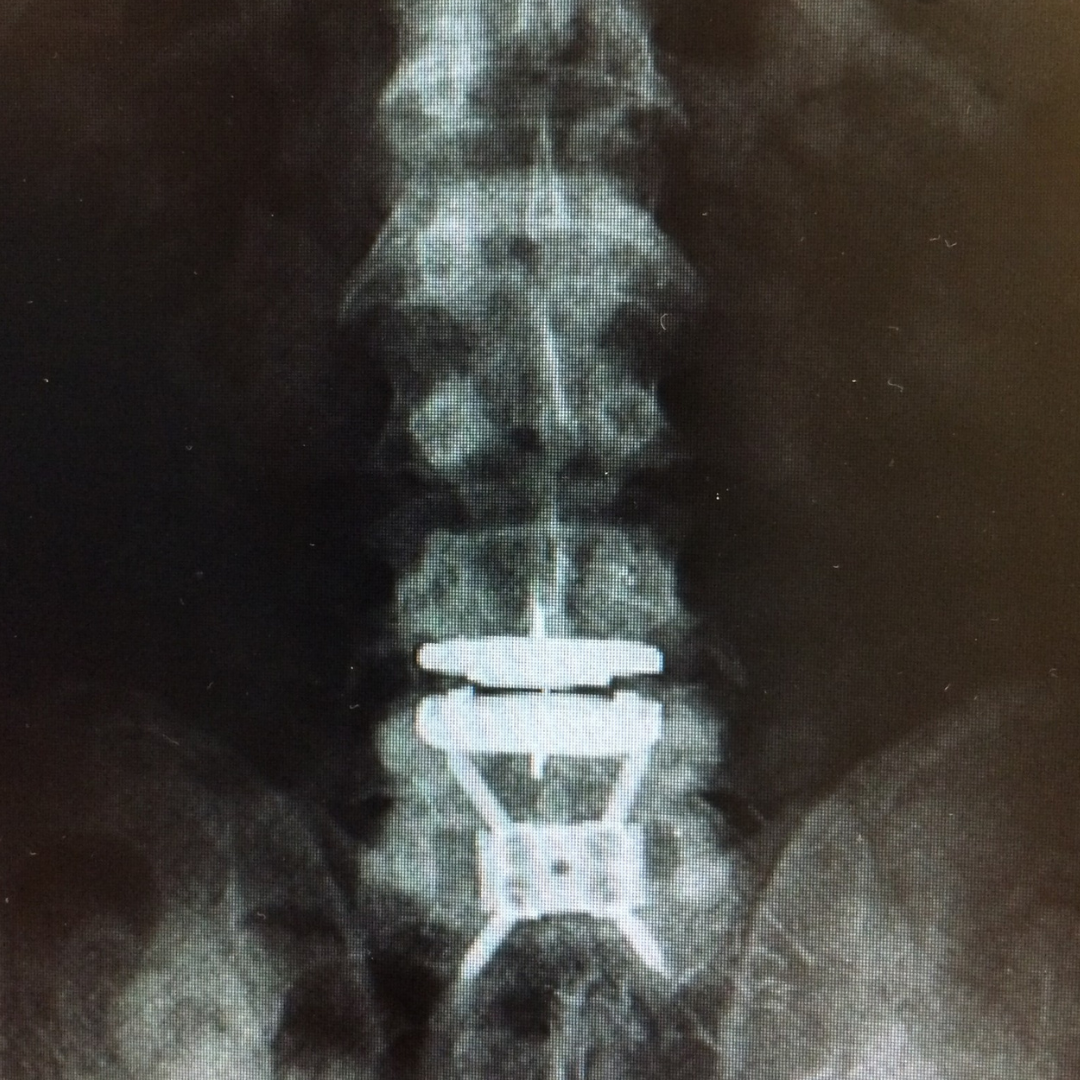
Artificial disc replacement may be performed in both the neck and lower back. However, cervical and lumbar disc replacement have different indications, and not every patient will be a candidate for both.
-
Cervical Disc Replacement
Performed in the neck, most often at one or two levels, cervical disc replacement may treat a herniated or degenerative disc causing arm pain, numbness, or weakness. For appropriate patients, it can preserve motion while offering an alternative to cervical fusion.
Because the procedure is performed through the front of the neck, some patients may experience temporary throat soreness or difficulty swallowing during recovery.
-
Lumbar Disc Replacement
Performed in the lower back, lumbar disc replacement may treat disc-related pain that has not improved with conservative care. For appropriate patients, it can preserve motion while offering an alternative to lumbar fusion.
Because the lumbar spine carries greater loads, candidacy is more selective and factors such as facet arthritis, bone health, and spinal alignment are carefully evaluated.
Conditions That May Be Treated With Artificial Disc Replacement
Artificial disc replacement is considered when symptoms come from a damaged disc and preserving motion may be beneficial. Dr. Prabhakar evaluates the disc, surrounding joints, spinal alignment, and symptoms before recommending treatment.
Herniated Disc: A damaged disc can press on a nearby nerve, causing pain, numbness, tingling, or weakness.
Degenerative Disc Disease: Age-related wear can cause a disc to lose height and function, leading to neck or lower back pain.
Cervical Radiculopathy: Nerve compression in the neck can cause pain, numbness, or weakness that travels into the shoulder, arm, or hand.
Disc-Related Neck Pain: A damaged cervical disc may cause persistent neck pain that does not improve with conservative care.
Disc-Related Lower Back Pain: In carefully selected patients, a damaged lumbar disc may be the primary source of ongoing lower back pain.
One or Two-Level Disc Disease: Disc replacement is most commonly considered when one or two spinal levels are responsible for the patient’s symptoms.







Benefits of An Artificial Disc Replacement
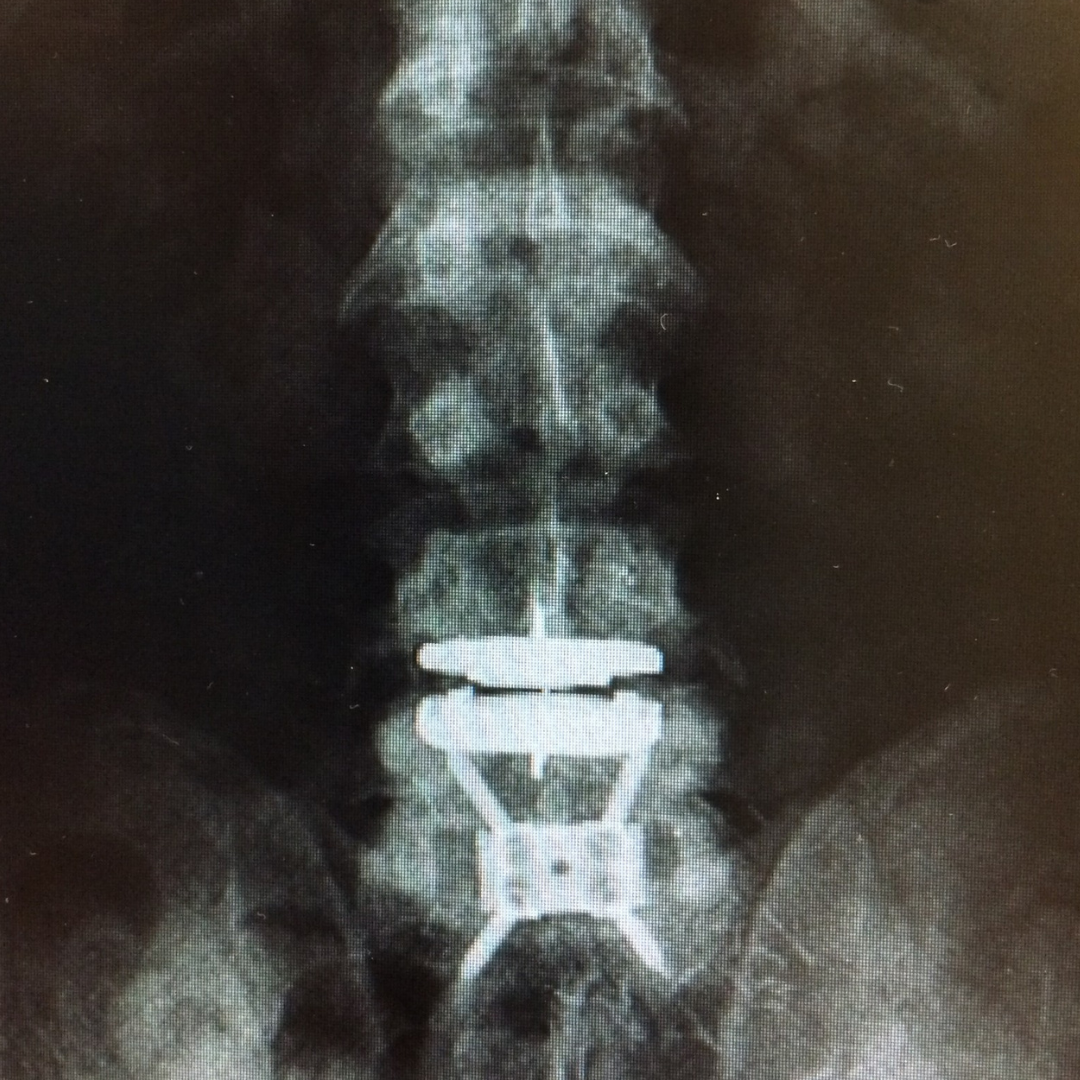
Artificial disc replacement is designed to relieve symptoms while preserving movement at the treated level of the spine. For the right patient, it can offer several advantages compared with spinal fusion.
-
Preserves Spinal Motion
The artificial disc is designed to maintain movement at the treated level, allowing the spine to bend and rotate more naturally.
-
Alternative to Fusion
Disc replacement treats the damaged disc without permanently joining the adjacent vertebrae together.
-
No Fusion Healing Period
Because the vertebrae do not need to fuse together, recovery does not depend on waiting for bone fusion to occur.
-
May Reduce Adjacent Stress
Preserving motion at the treated level may reduce additional stress placed on the spinal segments above and below it.
-
Earlier Return to Activity
Some patients are able to return to normal movement and everyday activities sooner than they might after a fusion procedure.
-
Maintains Natural Function
By replacing the damaged disc while preserving motion, the goal is to support more natural movement and function of the spine.
Who Is a Candidate for Disc Replacement?
Artificial disc replacement is not the right option for every patient with a damaged disc. If you are not a candidate, it often means another treatment may be better suited to your condition and long-term goals.
You may be a candidate for artificial disc replacement if you have:
Arm or leg pain from a herniated or degenerated disc at one or two levels
Symptoms that persist after a fair trial of conservative treatment
Imaging findings that clearly match the symptoms
Healthy bone density and good spinal alignment
Facet joints that are largely free of arthritis
Generally younger and active, with motion worth preserving

Recovery After Disc Replacement
Because there is no bone graft that has to fuse, recovery often moves faster than it does after a fusion. The timeline below is a general guide for a single level cervical replacement and will differ for lumbar cases and for each patient.
-
Day of Surgery
Most patients walk within hours and go home the same day or after one night. No rigid brace is typically required.
-
Week 1 to 2
Gentle movement is encouraged rather than restricted, since motion is the point. Heavy lifting is limited.
-
Week 3 to 6
Follow up visit and imaging. Many desk based patients have already returned to work and are increasing activity steadily.
-
Month 3 and Beyond
Return to exercise, recreation, and demanding work as cleared, with the treated segment moving normally.
Frequently Asked Questions about Artificial Disc Replacement
-
Current implants are engineered and bench tested to withstand decades of normal motion, and clinical follow up now extends well past ten years for cervical devices with low rates of implant failure. No implant carries a guarantee, and long term data continues to accumulate, but revision because the device wore out is uncommon.
-
Better for the right patient, not better for everyone. For a one or two level problem with healthy bone and good alignment, disc replacement preserves motion and may reduce stress on neighboring levels. For instability, deformity, osteoporosis, or advanced facet arthritis, fusion is the safer and more durable choice. The honest answer depends on your imaging.
-
Modern spinal implants rarely trigger airport scanners. Most current artificial discs are MRI compatible, though the metal can create some image distortion near the device. Your specific implant details are provided to you after surgery so any future imaging can be planned appropriately.
-
A single level disc replacement generally takes about one to two hours. Many cervical cases are performed as outpatient procedures with same day discharge. Lumbar cases and two level procedures more often involve one night in the hospital.
-
Driving usually resumes once you are off narcotic pain medication and can move comfortably, often within one to two weeks. Desk based work commonly restarts in two to four weeks. Physically demanding work takes longer and clearance is given individually.
-
Two level cervical disc replacement is approved and performed regularly. Beyond two levels, or in cases mixing degeneration across several segments, a hybrid approach or a fusion is often more appropriate. This is determined by what your imaging shows at each individual level.
-
Cervical disc replacement is covered by most major plans and by Medicare when medically indicated. Lumbar disc replacement coverage varies more by carrier and often requires additional documentation. Our team verifies your benefits and handles prior authorization before anything is scheduled.
-
In the uncommon case that symptoms persist or the implant needs to be addressed, the segment can generally be converted to a fusion. Choosing disc replacement first does not close the door on fusion later, which is one reason it is often considered before a permanent fusion in eligible patients.

Could Artificial Disc Replacement Be Right for You?
Talk with Dr. Prabhakar about your symptoms, goals, and whether a motion-preserving disc replacement may be an option for you.